
When you sit down at a pokies terminal in Cairns, the paytable is the first thing worth a proper look before you press spin. It tells you what each symbol pays, how wilds and scatters behave, and which bonus rounds actually trigger. I have spent years checking game specs against published RTP figures, and I can tell you that a clear paytable often separates a well-organised lobby from one that just looks busy. If you want a straightforward read on how the symbols line up, you can start with the game details over at logincrocospins.com and compare the listed payouts against the actual reel behaviour before you commit any credit.
What the Paytable Actually Shows

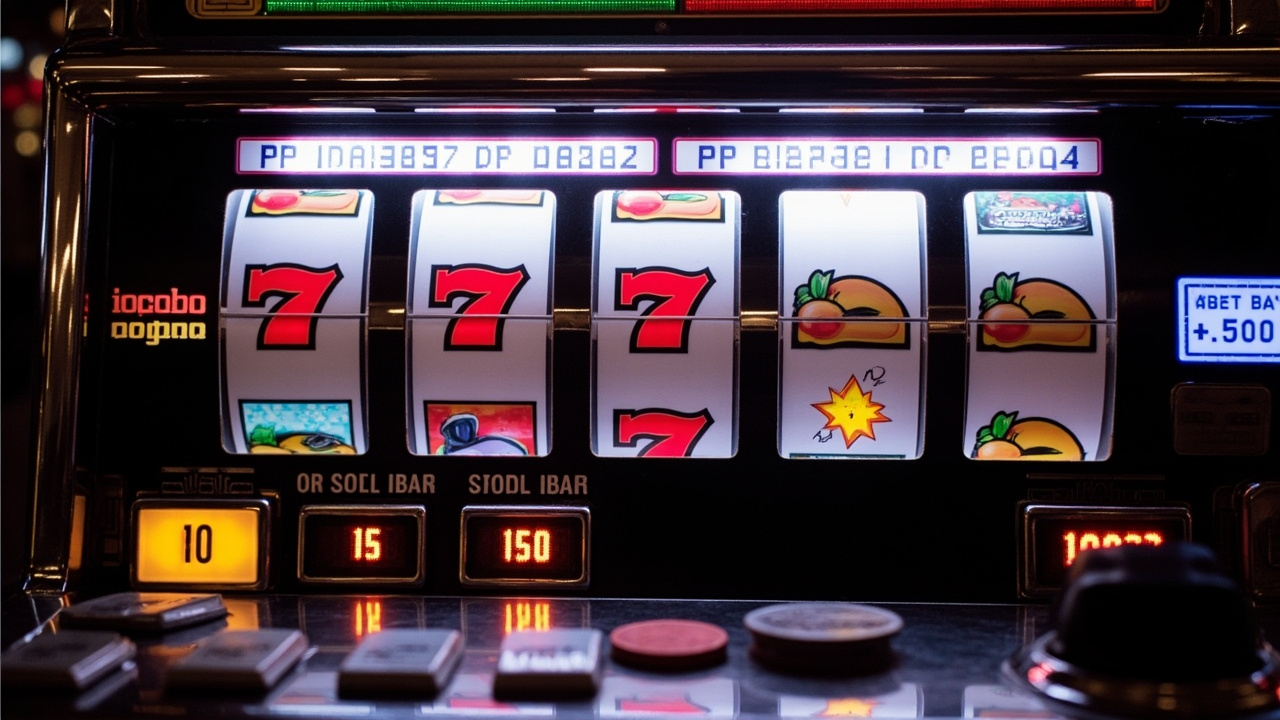
A paytable is not just a list of numbers; it is the rule sheet for the whole game. You will usually see the standard symbols ranked from low to high, the special icons such as wilds and scatters, and the paylines or ways-to-win that the game uses. In Australian parlours and on licensed local sites, the display often shows how much a full line pays at the base bet, then how that figure changes when you move up the coin value. That matters because two games can both advertise a high top prize yet pay very differently across the middle of the table. I once reviewed a lobby where three similar-looking fruit machines shared a theme but paid on entirely different line counts, and the only way to tell was reading the table properly rather than trusting the splash screen.
| Symbol type | What to look for | Why it matters |
|---|---|---|
| Low-value icons | Regular payout multiples | They keep the base game moving and often trigger small features |
| Wild symbols | Substitute rules and any payout cap | They change how often winning combinations form |
| Scatter icons | Pay anywhere rules and free-spin triggers | They usually drive the bonus section of the game |
| Bonus symbols | Mini-game or pick-em triggers | They can shift the volatility more than the base payline |
The table above is a quick reference, not a promise of how any one game will behave. Volatility, hit frequency, and the size of the top prize all interact with the paytable, so a short list of symbols on its own never tells the whole story. You still want to check whether the game pays left-to-right only, or whether it uses adjacent ways, because that changes how the symbols are counted on each spin. If you are comparing a few titles in a Cairns venue or on a local-licensed site, keep your notes on the same bet level so the numbers actually line up.
How Symbols, Lines, and Bonus Features Fit Together
Once you know what each symbol pays, the next thing to weigh is how the game counts those symbols. Some pokies pay on fixed lines, some on all ways, and some on cluster patterns, and the paytable will usually spell that out near the top. I have seen players assume a high top multiplier means a game is loose, when in reality the middle of the table is thin and the bonus only lands on scatters that pay a flat amount. That is the kind of detail where a second look at the paytable changes your read on the game completely. When I am checking a new release, I compare the scatter pay against the free-spin trigger conditions, because a game can look generous on paper yet only reward the bonus once the scatter has already paid its own line.
Special symbols can also change the way the paytable reads from one spin to the next. Expanding wilds, stacked wilds, and multipliers that apply only during free spins are all described in the table, but the wording is not always identical from one provider to the next. Sienna Martin, Head of Analytics, Kangaroo Point Analytics, has pointed out that payout distribution is often more useful than headline RTP when you are trying to understand how a game feels in a session. That is a fair call, because the paytable shows you where the money tends to land, not just the theoretical average over a very long run.
A short list of things to check alongside the paytable:
- Whether the wild substitutes for every symbol except the scatter
- Whether the scatter pays only when it lands on a payline or anywhere on the reels
- Whether any multiplier during bonus rounds applies to the whole win or only to base-game lines
- Whether the top prize is paid on one specific combination or on multiple ways
Those points are not a checklist for winning; they are a way to see whether the game’s rules match what you expect before you put credit in.
Using the Paytable to Compare Games Without Overreading It
A paytable is most useful when you use it to compare games on the same terms. If you are looking at two slots with similar themes, line up the base payouts at the same bet, then check the bonus trigger and the bonus payouts separately. That is the practical way to tell whether one game is built around frequent small wins or less frequent larger ones. I have worked on sessions where the difference between two machines came down to how the paytable handled the scatter during the base game, and that detail changed which one felt right for a shorter arvo session. The point is not to chase a particular outcome; it is to pick a game whose rules you can actually read and understand.
Local context matters too, because the same title can be presented differently depending on the lobby and the local licence under which it is offered. In Cairns, I have noticed that some venues group games by provider while others group them by volatility or theme, and the paytable is often the fastest way to confirm what you are actually picking. Matilda Campbell, Board Member, Top End Gaming Advisory, has noted that players who read the paytable first tend to ask better questions about bonus mechanics and bet levels, which is a sensible habit before you settle on a spin. That is defo worth keeping in mind, because a lobby can look busy without being particularly helpful if the game details are buried.
When you are comparing games, keep these points in mind:
- Read the paytable at the bet level you actually plan to use
- Check whether the bonus pays differently from the base game
- Note any cap on wild substitution or multiplier application
- Treat the top-line number as one data point, not the whole picture
That approach keeps the paytable central without turning it into a crystal ball.
The paytable is the part of the game that tells you what the rules are, not what the result will be. Read it at the bet you intend to use, compare it across games on the same terms, and treat the bonus section as its own set of rules rather than an extension of the base payline. If you want a quick reference point for how a game presents its symbols and payouts, the game details at logincrocospins.com are a reasonable place to start, but the paytable itself is still the document worth reading first. No dramas if you only spend a minute on it; that minute is usually better spent there than on the spin button before you know what you are playing.