
Video Poker Strategy Chart: A Player’s Decision Guide
Most Aussie players know a video poker strategy chart as a quick reference, but the real value sits in how you apply it across pay tables and denominations. Before you press deal, you need to weigh game variants, payout structures, and your own bankroll limits. A chart only works when the underlying machine actually pays out the way the maths assumes, so picking the right table matters more than memorising single lines. When you’re scanning options late in the arvo, a dog house megaways demo can show how a different mechanic plays out, though that’s a slot comparison rather than a poker payoff model. The point is to treat any strategy tool as a decision scaffold, not a promise of short-term returns.
Choosing the Right Pay Table Before You Touch the Chart
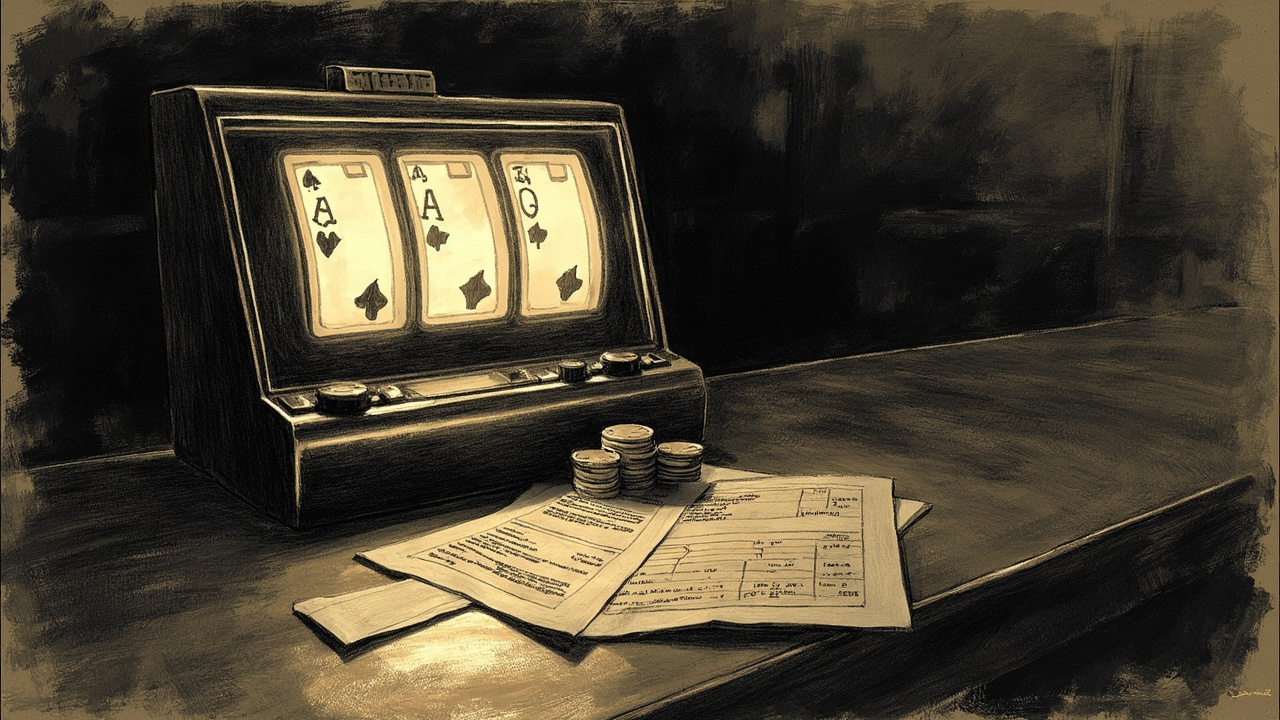
A strategy sheet only earns its keep when the pay table matches the assumptions baked into it. Full-pay Jacks or Better returns roughly 99.54 per cent with perfect play, but you’ll rarely find that version on a crowded floor or a standard browser title. Many machines drift down to 97 or 98 per cent once they drop the top royal or trim the flush payout, and that shift changes which holds you should prioritise. In Darwin, where pub floors and regional kiosks often run tighter pay schedules, you’ll want to confirm the five-coin royal bonus and the full house/flush rates before trusting any printed grid. Treat the chart as a lens for that specific table, not a universal cheat sheet. If the payouts don’t line up, the same hold recommendations will quietly bleed value over time.
Reading the Chart Without Overcomplicating the Hands
Which Holds Survive the First Pass
The first pass through any video poker strategy chart is about recognising which discards stay put when the hand sits between two outcomes. A pair of jacks or better usually stays, but the chart’s real value shows up in borderline cases like a four-card flush draw against a low pair. The maths favours the draw when the expected value of the long shot clears the certain small win, so you hold the suited cards and let the pair go. That trade-off feels uncomfortable at first, yet it’s the same kind of expected-value discipline I’ve used in lifecycle campaigns where short-term friction buys better long-term retention. You’re not chasing a miracle; you’re letting probability do the heavy lifting.
When to Chase Straights and Draws
Straight draws and inside runs need a second look because the chart separates obvious holds from speculative ones. A four-card open-ended straight usually clears the threshold, but a gutshot with no pair often doesn’t, unless the pay table bumps the straight payout. The chart will flag those edge cases so you don’t default to keeping a weak pair out of habit. I’ve seen operators in SaaS and FinTech present a simple decision tree that cuts through noise, and the same principle applies here: a clean rule beats a gut feel when the stakes stack up. If you’re playing late on a Sunday arvo after a long week, that discipline keeps you from turning a sound draw into a costly guess.
How Pay Tables Shift the Lines
Pay table variations move the lines more than most players expect. Dropping the flush payout by one unit can flip a borderline hold from “draw” to “keep,” and a reduced royal bonus changes how aggressively you chase the top hand. A video poker strategy chart built for 9/6 Jacks or Better will mislead you on a 8/5 version if you don’t adjust your reads. The fix is to match the sheet to the machine’s actual schedule, then run a few practice hands until the holds start feeling routine rather than theoretical. That’s the same careful calibration I’ve applied to bonus mechanics in eCommerce, where a small tweak in the offer changes which behaviour actually pays off.
Fitting the Chart to Your Play Style
A chart suits players who want a repeatable process over a hunch, but it’s not a fit for everyone. If you prefer quick sessions and don’t mind accepting the house edge that comes with casual holds, a full grid may feel like overkill. If you’re tracking your own results and want to trim avoidable leaks, the chart gives you a concrete reference you can test against your own session notes. The key is matching the tool to your pace: a disciplined, lower-variance approach works well when you’re managing a set budget and playing for the long run, while a looser style won’t benefit much from a rigid hold map. Either way, the chart is a decision aid, not a shortcut to profits, and it works best when you treat it like a checklist you actually follow. dog house megaways demo
Quick Reference for the Terms Used Here
- Expected value: the average return you’d anticipate from a hold over many repetitions, used to compare competing discards.
- Pay table: the printed schedule showing how much each hand pays at a given denomination and coin level.
- Full-pay: a machine version that offers the highest standard return for a variant, such as 9/6 Jacks or Better.
- Gutshot: a straight draw that needs one specific rank to complete, usually weaker than an open-ended draw.
The smartest use of a video poker strategy chart is to narrow your options before the cards hit, then let the pay table and your bankroll decide the pace. You’ll still face variance, but a clear hold map removes a lot of noise from each decision. Treat it as a practical filter, check the payouts first, and play within the limits you set before the session begins.